Are you eyeing a Worcester triple-decker but not sure how to run the numbers with confidence? You are not alone. These classic three-families can be strong value-add plays, yet the age of the buildings and local rules make the math more complex. This guide gives you a clear, Worcester-specific underwriting process you can use before you tour or write an offer. Let’s dive in.
Worcester triple-decker basics
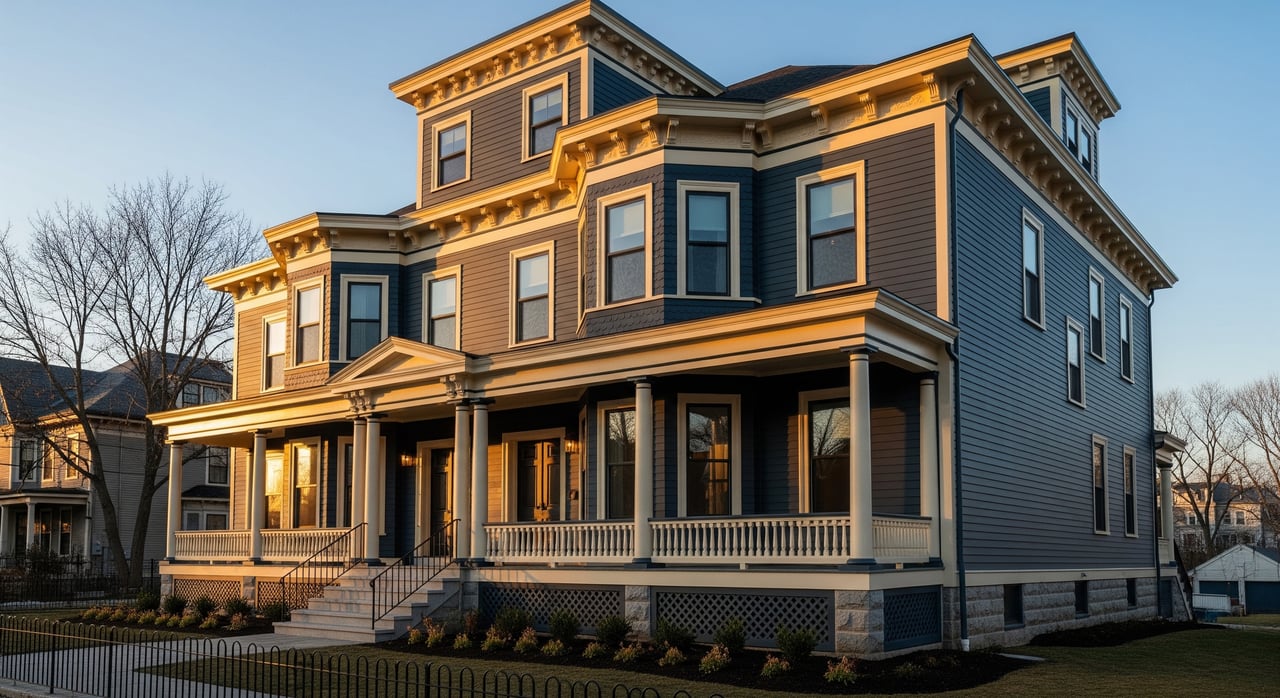
Triple-deckers are three-family, wood-frame buildings, often built in the late 1800s to early 1900s. Unit layouts vary, but you usually see one unit per floor with two or three bedrooms. In Worcester, demand comes from students, medical workers, city employees, and service jobs. Neighborhoods differ on rent levels, parking, and rehab needs, so treat each area as its own market.
Common risks include older boilers, oil heat, outdated electrical, and potential lead-based paint or asbestos in older materials. Roofs and porches may need attention. Egress and ceiling heights can vary unit by unit. Factor these items into both your upfront inspections and your budget.
Start with market comps
Rent comps to set the bar
Pull current rental listings and recent leases for units with similar bedroom counts, square footage, and condition. Match the neighborhood and consider proximity to colleges, transit, and employers. If you plan to renovate, build two rent sets. First, use current in-place rents. Then, use post-renovation market rents for your upside scenario.
For vacancy, underwrite conservatively. A common range for small multifamily is 5 to 8 percent, and you can adjust toward the high end for seasonal or student-heavy pockets. Add other income if realistic, such as parking, laundry, or pet fees.
Sales comps and yield checks
Pull 3 to 6 recent three-family sales in the same neighborhood. Record price per unit, price per square foot, and condition at sale. Note any clear value-add factors like new roofs or rebuilt porches. You will compare your implied cap rate against this sales set once you model Net Operating Income.
Build the income model
From GSI to EGI
- Gross Scheduled Income, or GSI, is the sum of rents for the three units at your chosen rent level.
- Effective Gross Income, or EGI, equals GSI times one minus your vacancy rate, plus any other income you can reasonably collect.
You can run a base case with current rents and a separate upside case with post-renovation market rents. This helps you price risk and set your offer strategy.
Operating expenses that matter
Create a line-by-line expense plan. For an older Worcester triple-decker, keep it conservative.
Core categories:
- Property taxes
- Insurance for a wood-frame multifamily
- Utilities you will pay vs utilities tenants pay, including heat, hot water, water and sewer, and common area electric
- Repairs and maintenance
- Property management if you use a manager, often 6 to 10 percent of collected rent for small multifamily
- Leasing and turnover costs
- Landscaping and snow
- Capital reserves for big items like roofs and boilers
- Admin, legal, and accounting
As a rule of thumb, small multifamily can run 30 to 50 percent of EGI, and older stock with deferred maintenance often sits on the higher side. For reserves, many investors set 300 to 600 dollars per unit per year, or they model each major item separately with an annual reserve.
Calculate NOI and returns
NOI and cap rate
- Net Operating Income, or NOI, equals EGI minus operating expenses. Do not include mortgage payments here.
- Cap rate equals NOI divided by purchase price. Compare your cap rate to neighborhood sales and investor reports for small Worcester multifamily.
This quick check tells you whether the asking price lines up with the income stream and the local market.
Financing, DSCR, and cash flow
Line up debt options early. Common choices include conventional portfolio loans with 20 to 30 percent down. If you plan to live in a unit, certain programs for 2 to 4 units may offer higher loan-to-value. For rehab-heavy deals, some buyers consider owner-occupied rehab financing that folds improvements into the loan.
Model your debt service using the lender’s interest rate and amortization, often 20 to 30 years. Then compute:
- Cash-on-Cash Return equals NOI minus debt service, divided by your cash equity.
- Debt Service Coverage Ratio, or DSCR, equals NOI divided by debt service. Many lenders look for DSCR at or above about 1.20 to 1.25. Check each lender’s standard.
Run sensitivity tests for rate changes and down payment options. Small shifts in rates or equity can move your cash-on-cash more than you might expect.
Stress test the numbers
Build three scenarios: conservative, base, and upside. Vary vacancy by a few points, model higher expenses for older systems, and add downtime for unit turns. Run rehab contingency at 10 to 20 percent. Test a higher exit cap rate if you plan to sell after renovations.
Model value-add upside
Rehab scope and cost ranges
Budget ranges vary with condition, but plan conservatively:
- Light cosmetic per unit, such as paint, floors, and fixtures, roughly 8,000 to 20,000 dollars
- Moderate per unit, like kitchen refresh, bathroom updates, and mechanical tweaks, roughly 25,000 to 60,000 dollars
- Heavy per unit, full kitchens, full baths, and systems replacement, roughly 60,000 to 150,000 dollars or more
- Building-level items like roof, siding, porches, or foundation can run 20,000 to 150,000 dollars or more
Costs rise with lead or asbestos remediation, structural work, boiler replacement, electrical upgrades, added egress, or meter separation. Include permits, professional fees, and a contingency.
Two ways to frame the upside
- Stabilized model. Compare the price to current NOI and local cap rates. Then show the cash flow lift when you bring rents to market with light improvements and stronger management.
- Renovation arbitrage. Add your rehab budget and time. Estimate post-rehab rents and expenses. Compute post-rehab NOI and apply a realistic exit cap rate, or check the local Gross Rent Multiplier to triangulate resale value.
Utilities and metering
Verify how heating and hot water are set up. Many Worcester triple-deckers still run oil boilers. Converting to gas can require gas line work and permits. If utilities are master-metered, get the last 12 months of bills. If you want to separate meters, price out the work with licensed contractors and include permits and utility coordination.
Worcester codes and rules to verify
Lead paint and safe work
Most triple-deckers predate 1978, so lead-based paint rules apply. Federal rules require disclosures and safe work practices. Massachusetts has additional requirements for abatement and clearance. If you plan renovations that disturb painted surfaces, only use properly certified professionals.
Rental registration and inspections
Check with Worcester Inspectional Services for local rental registration, certificates of inspection, or periodic inspection programs for multifamily units. Confirm what is required before you lease or renew.
Egress, permits, and zoning
Any change to bedrooms, egress windows, or unit count needs permits. Attic conversions and basement work often need structural sign-off and code-compliant egress. Some areas may have historic district overlays. Confirm zoning allows three-family use and check parking requirements if you plan site changes.
Tenant law and deposits
Massachusetts landlord-tenant laws set notice procedures and a court-based eviction process. Security deposit handling has strict rules on amounts, interest, and escrow. Align your leasing and accounting with state guidance.
Smoke and carbon monoxide
State law requires smoke and carbon monoxide detectors in residential rentals. Check current standards for location, type, and interconnection before closing.
Tour and offer checklist
Use this quick list to keep your underwriting tight.
Exterior and site:
- Roof age and signs of leaks
- Foundation cracks, water intrusion, and grading
- Porches and stairs for rot and structural bearing
- Siding and paint condition, note potential lead surfaces
- Off-street parking count and surface condition
Interior and unit-level:
- Confirm bedroom counts, layout, and rentable square footage
- Ceiling heights and egress windows in bedrooms
- Kitchen and bath age and ventilation
- Windows, flooring, walls, and signs of water damage or mold
- Working smoke and carbon monoxide detectors
Mechanical systems:
- Boiler or furnace type, fuel source, age, and remaining life
- Hot water system age and capacity
- Electrical service amperage and wiring type, look for knob and tube
- Plumbing materials and leak history
- Dryer vents and ventilation
Utilities and meters:
- Separate meters for electric, gas, and water or master meters
- If master-metered, collect 12 months of bills and plan for separation costs if needed
Occupancy and leases:
- Copies of leases and security deposit records
- Rent roll matched to actual deposits
- Lease expirations, month-to-month status, and turnover timing
Code, permits, and insurance:
- Open permits or violations with Inspectional Services
- Recent inspection reports or insurance claims
- Permit history for past renovations
Neighborhood and comps:
- Proximity to campuses, hospitals, and transit
- Field-verify rent and sale comps in the immediate area
Contractors and costs:
- Two to three bids for major items like roof, boiler, and porches
- Specialist opinions for structural or foundation issues
Example underwriting workflow
- Pull 3 to 6 recent three-family sales and current rent comps for matching bedroom counts and condition in the same neighborhood.
- Estimate current GSI and a post-renovation GSI.
- Pull the current tax bill and get an insurance quote for a wood-frame three-family.
- Build your expense schedule and set a vacancy rate in the 5 to 8 percent range.
- Walk the property or use an inspection contingency to scope mechanicals, porches, roof, and possible lead or asbestos. Add rehab budgets and a contingency.
- Compute NOI and implied cap rate at the asking price. Model DSCR and cash-on-cash at different down payments and rates.
- Run sensitivity tables for vacancy, expenses, rehab costs, and interest rates. Set break-even occupancy.
- Pick your offer strategy. Decide on contingencies, repair credits, or a price that reflects your risk and timeline.
Common pitfalls to avoid
- Underestimating owner-paid utilities when heat or hot water are shared
- Ignoring porch rebuilds, roof age, or water management at foundations
- Assuming bedrooms are legal without checking egress and ceiling height
- Skipping lead paint planning for older surfaces
- Pricing only on GRM without reviewing actual NOI and a realistic cap rate
Bring in local support
You move faster when your team is local. Speak with Worcester multifamily brokers, Inspectional Services, the Assessor, and community banks that lend to 2 to 4 unit investors. Line up contractor estimates for any big-ticket items you see during the tour. If you want a single partner to source, underwrite, renovate, lease, and manage, connect with Adam Duffy. His integrated brokerage, renovation expertise, and in-house property management can help you price risk, control capex, and stabilize cash flow. Get a Free Property Valuation & Investment Plan.
FAQs
What is a Worcester triple-decker?
- A three-family, wood-frame building with one unit per floor, often built in the late 19th or early 20th century, common across Worcester neighborhoods.
How do I estimate Worcester triple-decker rents?
- Match comps by bedroom count, condition, and neighborhood, then build two rent sets, current in-place and post-renovation market, and apply a 5 to 8 percent vacancy.
What expenses should I include when underwriting?
- Taxes, insurance, utilities you pay, repairs, management at 6 to 10 percent if used, leasing costs, landscaping, capital reserves, and admin or legal.
What capex should I expect in older buildings?
- Plan for roof and porch work, boiler or hot water replacements, electrical upgrades, and potential lead or asbestos remediation with a 10 to 20 percent contingency.
What permits do I need to add bedrooms or finish space?
- Bedroom changes, attic or basement work, and added egress all require permits and code compliance, with zoning checks for use and parking.
What financing options are common for a three-family?
- Conventional portfolio loans with 20 to 30 percent down are typical, and certain owner-occupant programs for 2 to 4 units may offer higher loan-to-value with occupancy.