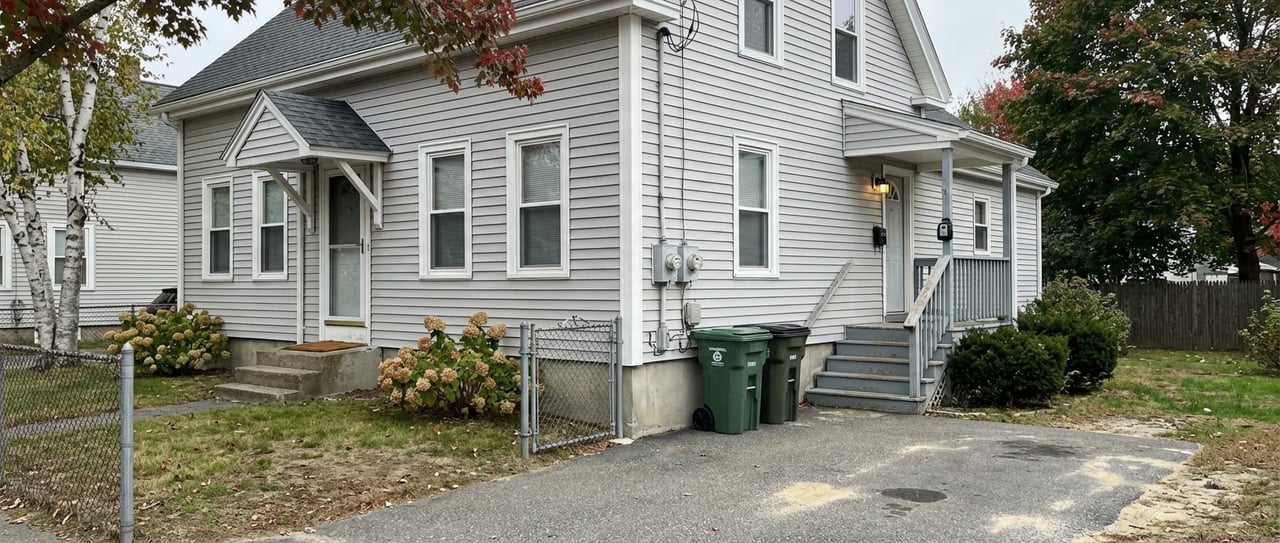
Thinking about renting a Mystic home as a weekend getaway for visitors or as steady, year-round income? You are not alone. Mystic’s draw and seasonality create real opportunity, but rules, taxes, and operating costs vary more than most buyers expect. In this guide, you will learn how short-term and long-term rentals work in Mystic, what local regulations require, how to underwrite each strategy, and the steps to take before you buy. Let’s dive in.
Mystic demand and seasonality
Mystic is a small village with big visitor traffic, which is why short-term rentals can perform well in peak months. Local reporting shows Mystic Seaport drew roughly 248,000 visitors in 2022 and Olde Mistick Village reported nearly 1.9 million visits in 2023, underscoring strong tourism demand that peaks late spring through early fall. You can review that context in this coverage of Mystic’s tourism activity and legislative attention to local impacts like traffic and parking (CT Insider tourism report).
Outside summer, weekend events, foliage season, and holidays can still lift bookings. Your underwriting should reflect higher occupancy and rates in peak months and more conservative assumptions in winter.
Where your address sits matters
Mystic spans two towns: Groton and Stonington. Your address determines which town’s zoning and rental rules apply. Before you run numbers, confirm the governing town and any village or association rules that could limit rentals.
Rules and taxes that shape your plan
Town-by-town short-term rental rules
Groton adopted short-term rental regulations in 2024 that set where new STRs are allowed and outline owner-occupancy, parking, and permitting paths. News coverage summarizes the changes and timing so you know what to expect when you apply (Groton STR regulations coverage).
Stonington moved a citizen-backed ordinance process to a vote in 2023, and voters rejected the proposal. That left Stonington with a different posture than Groton and no dedicated STR registration framework at that time. The town’s archived update is the best starting point for current context and any next steps (Stonington update on proposed STR ordinance).
Some sub-areas have their own rules. For example, Noank in Groton has codified restrictions that affect STR operations, which underscores why hyperlocal checks matter (Noank STR decision coverage). For current applications, forms, and process questions in Groton, contact Planning & Development Services directly (Groton Planning & Development Services).
Connecticut room occupancy tax
Connecticut imposes a 15 percent room occupancy tax on stays of 30 consecutive days or fewer. Some booking platforms collect and remit this tax for you, but you are responsible for compliance if any channels do not. Review filing and registration details with the state before you launch (CT DRS room occupancy tax guidance).
Long-term lease rules in brief
If you lease for more than 30 days, you operate under Connecticut’s landlord-tenant statutes. A key item is the security deposit cap, which is generally no more than two months’ rent for tenants under 62 and one month for tenants age 62 or older. You also must follow state rules for escrow, notices, and returns (CT Department of Banking security deposit rules).
Short-term vs long-term: pros and cons in Mystic
Short-term rentals (STR)
Pros
- Potentially higher revenue in peak weeks due to strong tourism.
- Flexible owner use during the off-season or between bookings.
- Dynamic pricing and per-stay fees can lift gross income.
Cons
- More time-intensive operations: guest communication, turnovers, and restocking.
- Higher variable costs and professional management fees. Full-service STR managers often charge about 20 to 35 percent of gross revenue, with limited-service options commonly 10 to 15 percent plus cleaning and supplies (STR management fee ranges).
- Additional regulatory steps and lodging tax compliance.
Long-term rentals (LTR)
Pros
- Steadier monthly cash flow and fewer turnovers.
- Lower operating intensity and simpler ongoing management. Long-term managers are typically 8 to 12 percent of monthly rent in many markets (property management benchmarks).
- Clearer budgeting for utilities and maintenance.
Cons
- Usually lower gross revenue compared with peak-season STR weeks.
- Less owner flexibility once a lease is signed.
- Vacancy and re-leasing risk if pricing is off or the unit is not well maintained.
What to include in your underwriting
Build two side-by-side models so you can compare outcomes. At a minimum, include:
- Acquisition price and closing costs.
- Seasonal assumptions for STR: occupied nights per month, average daily rate by season, and expected number of turnovers.
- LTR assumptions: market rent, lease term, and conservative vacancy factor.
- Cleaning and restocking per STR turnover, along with supplies and linen replacement.
- Utilities and internet. For STRs, you typically cover these. For LTRs, tenants often pay some or all utilities.
- Property taxes, insurance, and a capital reserve for maintenance and replacements.
- Management fees for your chosen strategy.
- Platform and payment fees for STR channels.
- Connecticut room occupancy tax for STR bookings and your filing plan.
- Net operating income, cash flow after debt service, and cash-on-cash return.
Be conservative. Model softer winter demand and leave cushion for unexpected repairs, especially with older coastal housing.
Financing and ownership notes
Loan types and down payments
Lenders price and structure loans differently for second homes and investment properties. Many second-home loans require a down payment around 10 percent, while investment property loans often run 15 to 25 percent with stronger reserve requirements. Confirm details with your lender and match the loan to your true use plan (second home vs investment down payment overview).
IRS vacation home rules
Federal tax rules distinguish among several common use patterns. If you rent your home for fewer than 15 days in a year, rental income is not reported, but you also cannot deduct rental expenses. If you both rent and use the home personally, the number of personal days affects whether you can deduct losses and how you allocate expenses. Accurate day counts and records matter. Review the IRS guidance and consult your tax advisor before you buy (IRS Publication 527).
Setup and operations checklist for Mystic
Use this list to speed your due diligence and launch.
- Confirm your governing town. Identify whether the property is in Groton or Stonington and ask the town about current STR rules, permits, and allowed uses. Start with Groton’s Planning & Development if the address is on that side (Groton Planning & Development Services).
- Check village and HOA rules. Some districts and associations restrict short-term rentals. Noank has codified limits, so do not assume the broader town rule is the final word (Noank STR decision coverage).
- Register for Connecticut room occupancy tax if hosting stays of 30 days or fewer. Confirm whether your platforms remit on your behalf and keep your own records (CT DRS room occupancy tax guidance).
- Build a safety plan. Install working smoke and CO alarms, place fire extinguishers, set clear house rules, and post emergency contacts. Some permits require documentation and inspections.
- Get the right insurance. Short-term rentals often need different endorsements or landlord-style policies with adequate liability limits. Ask for coverage that reflects guest stays and revenue exposure.
- Plan for coastal and seasonal maintenance. Budget for HVAC servicing before summer, winterizing and snow plans, and pre- and post-storm checks.
- Follow lead-based paint rules for older homes. If the property was built before 1978, federal law requires lead-based paint disclosure and distribution of the EPA pamphlet with leases.
- Line up operations. Arrange a 24/7 local contact, cleaners, laundry, trash service, and a restocking process. Create a calendar for inventory, filter changes, and seasonal tasks.
- For LTRs, follow CT landlord-tenant law. Observe deposit caps, escrow rules, notice periods, and timelines for returns (CT security deposit rules).
- Track numbers from day one. Keep detailed logs of bookings, taxes, expenses, and maintenance to support your returns and tax filings.
Which strategy fits your goals?
If you want personal use and can handle a more hands-on operation or hire a manager, an STR can shine in Mystic’s peak months. If your priority is steadier cash flow with less day-to-day work, an LTR may suit you better. Many owners choose a hybrid over multiple years, operating as an STR at first and later transitioning to an LTR once lifestyle needs change.
The right call starts with accurate underwriting and a clear view of local rules. If you want a practical, numbers-first plan for a Mystic property, including acquisition strategy, renovation scope, and professional long-term management, reach out to Adam Duffy for a free property valuation and investment plan.
FAQs
What are Mystic, CT town rules for short-term rentals?
- Mystic spans Groton and Stonington, and each town sets its own rules. Groton adopted STR regulations in 2024, while Stonington’s proposed ordinance was rejected in 2023, so verify your address and current town guidance.
How does Connecticut’s 15 percent room occupancy tax apply to Airbnb stays?
- Stays of 30 days or fewer are taxed at 15 percent in Connecticut. Platforms may collect and remit, but you should confirm registration and filing requirements with the state and keep your own records.
Does Noank allow short-term rentals?
- Noank, a village within Groton, has codified restrictions that affect STRs. Always check village or district rules and HOA documents in addition to town zoning.
What security deposit can I charge under a long-term lease in Connecticut?
- Connecticut generally caps security deposits at two months’ rent for tenants under 62 and one month for tenants age 62 or older, with specific escrow and return rules.
How should I model seasonality for a Mystic short-term rental?
- Assume higher occupancy and rates from late spring through early fall, then use conservative assumptions in winter. Build in extra cushion for shoulder seasons and local event weekends.